
Boundaries in a Boundaryless Role
How to Say No, Guard Rest, and Avoid Resentment

For many global workers, the role can feel limitless.
There is always another message to answer. Another crisis to navigate. Another relationship to invest in. Another invitation that feels too important to decline. When your work and your life overlap across cultures, time zones, and expectations, it can begin to feel as if you are always “on.”
Unlike many professions, global work rarely comes with clear stopping points. Your neighbors may also be the people you serve. Church life and work life overlap. Supporters may write during your evening because it’s their morning, and local friends or partners may reach out during your rest day because the need feels urgent. Over time, the line between “work” and “personal life” quietly disappears.
Add to that the internal pressure many global workers carry. The work matters. The needs are real. Saying no can feel selfish when people are hurting or when opportunities for impact appear unexpectedly. Many workers also feel responsible to their team, their supporters, and the people they care about in their host culture.
The result is a role that can feel boundaryless.
At first, this may even feel energizing. The work is meaningful and the relationships are rich. But without intentional limits, what begins as compassion can slowly erode into exhaustion—and eventually resentment.
Boundaries are not the enemy of service. In reality, they are one of the things that make long-term service possible.
If your role feels boundaryless right now, you are not alone. Learning to establish healthy limits does not mean caring less—it means caring wisely so your compassion can last.
1. Accept That You Are Finite
This sounds obvious, but many global workers quietly live as if it isn’t true.
You cannot meet every need.
You cannot respond to every request.
You cannot be available at all hours without cost.
Needs may be constant—but you are not.
Accepting your limits is not selfish. It is honest—and it allows you to serve from strength instead of depletion.
A helpful reframe:
I am responsible to people, but I am not responsible for everyone.
2. Redefine What “Loving” Means
Sometimes we equate love with availability.
If I care, I answer immediately.
If I care, I show up every time.
If I care, I don’t disappoint.
But mature love includes wisdom. It includes pacing and discernment.
Saying no can be loving when:
It prevents burnout that would harm others later.
It models healthy limits for teammates and local partners.
It preserves your family’s stability.
It protects your long-term effectiveness.
The goal isn’t constant availability. It’s sustainable faithfulness.
3. Practice Clear, Kind No’s
Many people avoid boundaries because they fear relational fallout. In cross-cultural contexts especially, saying no can feel complicated.
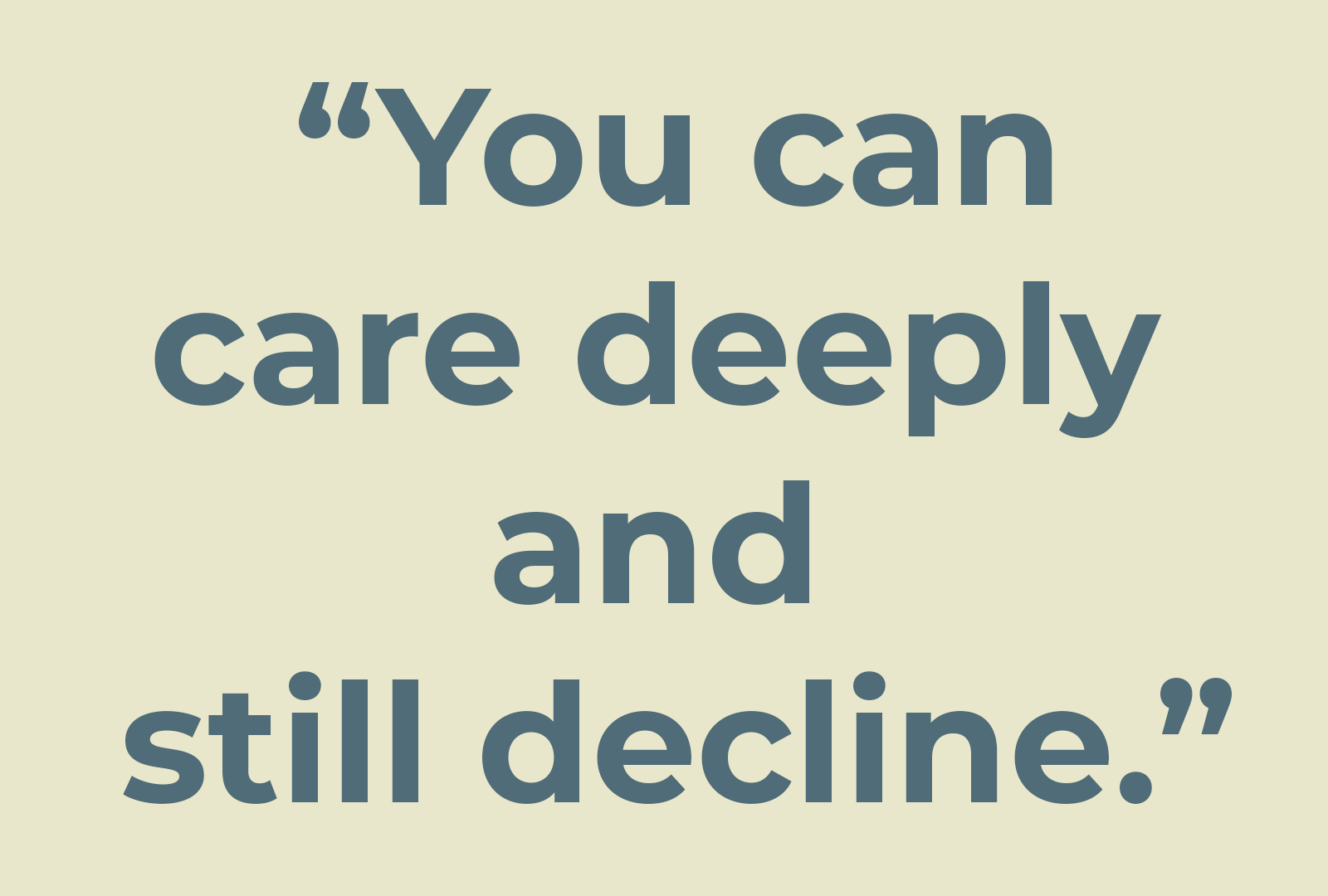
You don’t need long explanations or apologies layered in guilt. What people often need most is clarity and kindness.
Examples:
“I’m not able to take that on right now.”
“That sounds important, but my schedule is full.”
“I can’t commit to that, but I can help you think of other options.”
“I’m protecting a rest day, so I won’t be available.”
Clarity builds trust. Overexplaining often signals internal conflict more than external necessity.
4. Guard Rest Before You Need It
Rest should not be the reward for collapse.
In boundaryless roles, rest must be scheduled intentionally:
Weekly rhythms (true days off, not just lower-output days)
Seasonal pauses
Communication boundaries (email windows, response times)
Technology limits
Sabbatical planning
When you protect rest consistently, your no’s come from intention rather than exhaustion.
If you are part of an organization, this may also require advocating for structural support. Sustainable workers serve longer.
5. Watch for Early Signs of Resentment
Resentment rarely appears suddenly. It grows quietly over time.
Early warning signs may include:
Irritation at small requests
Emotional numbness
Feeling unseen or unappreciated
Scorekeeping (“After all I’ve done…”)
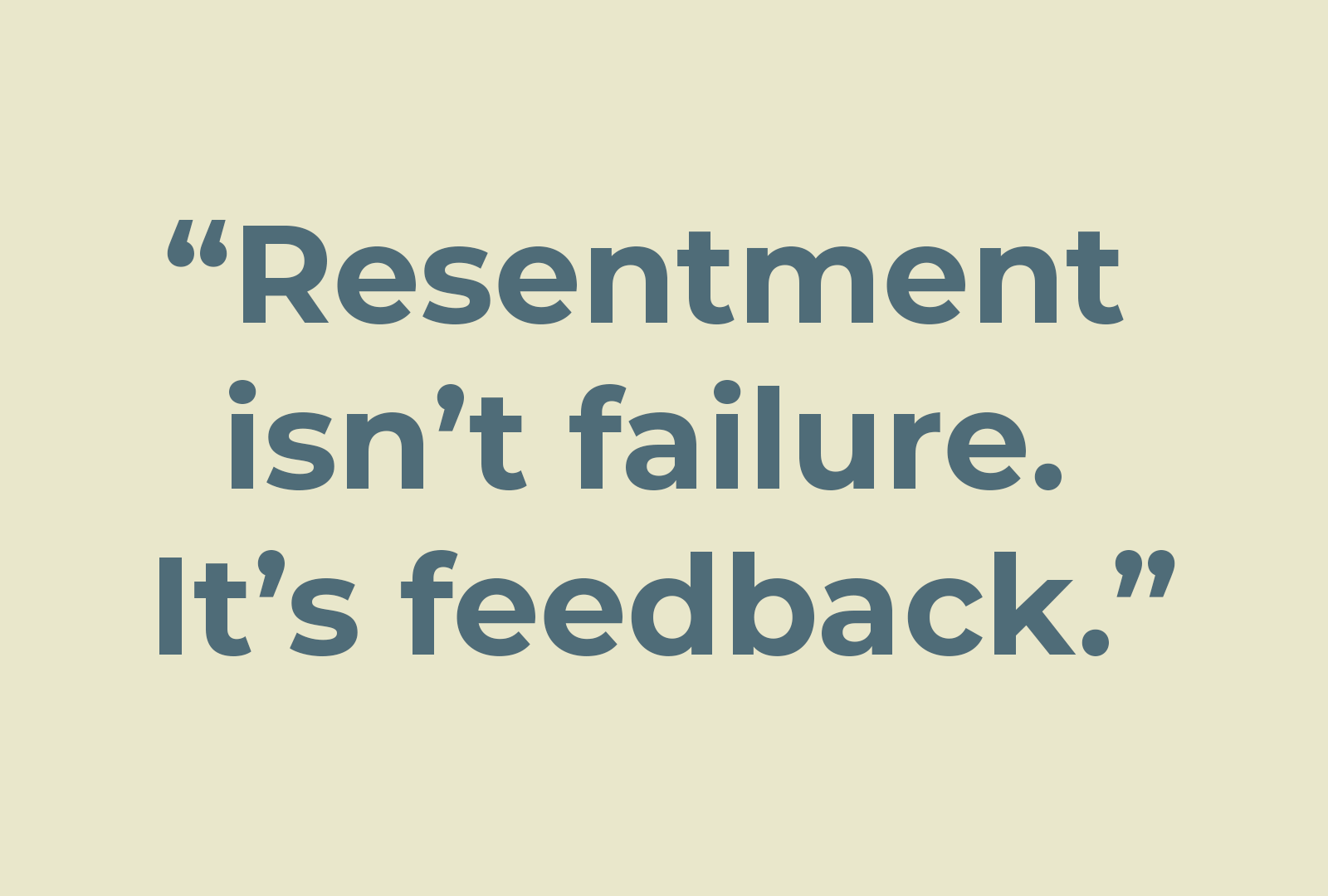
Resentment is often a signal that boundaries have been crossed—either by others or by yourself.
Instead of pushing it down, get curious:
Where have I said yes when I meant no?
What expectations feel unspoken but heavy?
What am I afraid would happen if I pulled back?
6. Separate Urgency from Importance
In global work, everything can feel urgent. Crises, cultural tensions, supporter communication, family needs—all compete for immediate attention.
But not everything urgent is important, and not everything important is urgent.

Learning to pause and ask:
Does this require me?
Does this require me now?
Does this require this much of me?
That pause is a boundary in itself.
7. Remember: You Are a Person, Not a Resource
When your role is service-oriented, it’s easy to slip into functioning as a resource for others’ needs. Over time, you may begin to measure your value by output and availability.
But your worth is not tied to how accessible you are.
You are allowed:
To be unavailable
To be tired
To need help
To disappoint people
To rest without earning it
Healthy boundaries protect your humanity. And your humanity is not a liability to your work—it is central to it.
A Final Encouragement
If your role feels boundaryless right now, start small.
You don’t need to redesign your entire life this week. Healthy boundaries grow through small, consistent steps.
Maybe that means:
Protecting one evening each week
Declining one request that stretches you beyond capacity
Turning off notifications during your rest day
Having one honest conversation about expectations
Over time, these small choices create space for rest, reflection, and renewed energy for the work you care about.
If you’re already feeling exhausted or noticing resentment building, that’s an important signal. Talking with someone outside your team or organization can help you clarify healthy limits, process what you may be carrying, and rebuild sustainable rhythms.
If you’d like support, consider connecting with a Valeo counselor. Click “Start Now” to begin the process and connect with someone who understands the unique challenges global workers face.
Healthy boundaries don’t diminish your care for others—they protect it so your compassion can last for the long journey of service.