
Building Connection Through Questions
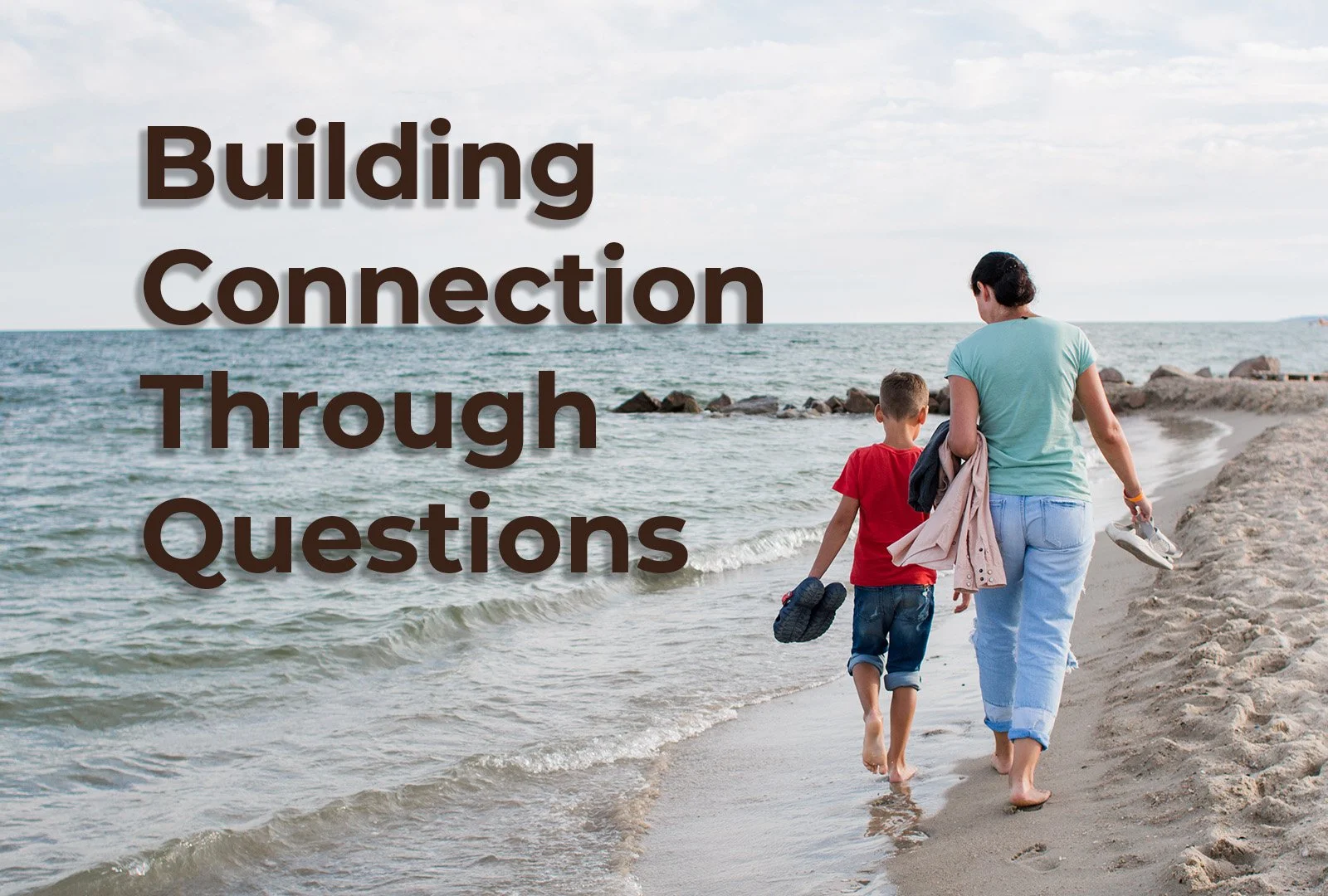
Five Questions to Strengthen Communication with Your TCK
Life as a Third Culture Kid (TCK) can be rich with adventure, growth, and opportunity. It can also involve frequent transitions, cultural adjustments, changing friendships, and experiences that are difficult to put into words.
As parents, it's natural to want to know how your children are doing. Yet many TCKs—especially older children and teens—may not openly share what's happening beneath the surface. Sometimes they don't have the words. Sometimes they don't want to burden their parents. And sometimes they simply need the right invitation.
The good news is that meaningful conversations don't have to be complicated. A thoughtful question asked at the right moment can open the door to deeper connection.
One more suggestion before you begin: answer these questions yourself. When parents are willing to share their own experiences—the joys, frustrations, hopes, and disappointments—they model openness and vulnerability. Rather than feeling like an interview, the conversation becomes something the whole family participates in, creating opportunities for deeper understanding and stronger family bonds.
Here are five questions to help get those conversations started.
1. What has felt hardest for you lately?
Many TCKs become remarkably adaptable. They learn to navigate change, uncertainty, and cross-cultural experiences from a young age. But adaptability doesn't mean challenges disappear.
This question creates space for your child to talk about struggles they may not have mentioned. The answer might involve school, friendships, language learning, cultural expectations, homesickness, or something entirely unexpected.
Resist the urge to immediately solve the problem. Instead, focus on listening and understanding.
You might respond with:
"That sounds really difficult."
"Tell me more about that."
"I'm glad you shared that with me."
Sometimes feeling heard is more valuable than receiving a solution.

2. What is something you're enjoying right now?
When conversations focus only on difficulties, we can miss opportunities to celebrate growth and joy.
This question helps children identify positive experiences, meaningful relationships, personal achievements, and things they are looking forward to.
Their answer may reveal what is giving them energy and helping them thrive in their current season.
As they share, consider asking follow-up questions such as:
What do you enjoy about that?
How did you get interested in it?
What makes it meaningful to you?
Celebrating these moments communicates that their joys matter just as much as their struggles.
3. Is there anything you miss from another place you've lived?
For global workers, losses may be frequent, layered, and difficult to define.
TCKs often carry memories, relationships, and experiences from multiple places around the world. Yet they may not always have opportunities to talk about what they miss.
This question normalizes grief and longing without assuming something is wrong.
You might hear about:
Friends they left behind
Favorite foods
Familiar routines
A previous school
A sense of belonging they experienced elsewhere
Acknowledging these losses helps children understand that missing something doesn't mean they are ungrateful for where they are now.
Both can be true at the same time.

4. Where do you feel most like yourself?
Many TCKs navigate multiple cultures, languages, and social settings. Over time, they may wonder where they truly belong.
This question can provide insight into environments where your child feels accepted, comfortable, and known.
Their answer might be surprising. It may be:
With a particular friend
At youth group
Playing sports
During family game nights
While visiting another country
When engaging in a favorite hobby
Understanding where your child feels most like themselves can help you create more opportunities for those experiences.
5. How can I support you better right now?
This simple question communicates humility, curiosity, and care.
Parents often carry significant responsibilities while serving cross-culturally. In the midst of ministry, work, travel, and daily life, it's easy to assume we know what our children need.
Sometimes we do.
Sometimes we don't.
Your child may ask for more one-on-one time, more freedom, more help, or simply more listening.
Even if they don't have an answer immediately, asking the question communicates an important message:
"Your experience matters to me."
Tips for Better Conversations
As you begin these conversations, keep a few things in mind:
Choose a relaxed setting rather than a formal family meeting.
Don't ask all five questions at once. Let conversations unfold naturally over time.
Follow your child's pace.
Listen more than you speak.
Be comfortable with silence.
When hard topics arise, resist the urge to immediately fix or solve the problem. Your child may simply need to know you understand before they are ready to discuss solutions.
Consider asking the reverse of a question. For example, if you ask, "What do you like about living here?" follow it with, "What do you not like about living here?" If you ask what feels easy, also ask what feels difficult. This gives your child permission to be authentic and communicates that it's safe to share both positive and negative experiences. They don't have to protect you from their feelings.
Answer the questions yourself. Sharing your own experiences demonstrates that everyone in the family is still learning, growing, and adjusting. These conversations often become meaningful moments of connection rather than simply a parent checking in with a child.
Some of the best conversations happen while driving, walking, cooking, or sharing a meal together.
Connection Happens One Conversation at a Time
There is no perfect formula for parenting a TCK. Every child is different, and every season brings new opportunities and challenges.
These five questions aren't magical, nor are they a checklist to complete. They are simply conversation starters—an invitation to slow down, listen with curiosity, and create space for your child to share what's on their heart.
As you become comfortable asking open-ended questions, you'll likely find yourself thinking of many more. The goal isn't to have all the right questions. The goal is to build a relationship where honest conversation becomes a natural part of family life.
What matters most is creating an environment where your child knows they can bring their whole experience—the joys, questions, disappointments, fears, and dreams—to someone who will listen.
This month, choose one of these questions and see where the conversation leads. You may discover that a simple question opens the door to a deeper understanding of your child and strengthens the connection you share.
And in a life filled with transitions, that connection can become one of the greatest gifts you offer.
When You Need A Little Extra Support?
Sometimes a conversation uncovers more than you expected. Your TCK may share ongoing anxiety, unresolved grief, struggles with friendships or identity, or other concerns that leave you wondering how best to help.
You don't have to navigate those conversations alone.
Valeo's team includes counselors who understand the unique experiences of Third Culture Kids and global worker families. If your conversations reveal concerns that feel beyond what you're comfortable addressing on your own—or if your child could benefit from talking with someone outside the family—we're here to help.
Click "Start Now" to connect your TCK with a member of Valeo's TCK team and learn more about our secure online counseling services for global workers and their families.